
Wills
Protect, preserve and pass on wealth across generations.

Wills
A Will is one of the simplest documents you can sign, yet it carries massive weight. It tells your family, your executor, and the Master of the High Court exactly what must happen when you pass away. Without a valid Will, your loved ones can be left dealing with delays, disputes, and outcomes you never intended. Nont Fiduciary helps South Africans draft Wills that are clear, compliant, and practical, so your instructions can be followed smoothly when it matters most.
What is a Will?
A Will is a written legal document that sets out how you want your estate to be dealt with after your death. In simple terms, it answers key questions:
- Who inherits what
- Who will administer your estate as executor
- Who should act as guardian for your minor children
- Who should act as guardian for your minor children
- How debts, costs, and taxes should be handled
- What must happen to specific assets like property, shares, and personal items
In South Africa, Wills must comply with formal requirements under the Wills Act. If the formalities are not met, the document can be rejected or challenged, which is why “nearly right” is often not good enough.
Why a Will is important
Wills are not only for people with big estates. They are important for anyone who
has family, assets, debt, or responsibilities.
A valid Will gives you control
You decide who inherits and on what terms, rather than leaving it to fixed intestate succession rules.
A Will reduces conflict
Clear instructions help prevent family disputes and misunderstandings.
A Will can protect your legacy
You can include charitable bequests, special conditions, and specific instructions about family heirlooms that matter to you.
A Will supports efficient administration
When your executor can find the original Will and the instructions are clear, the deceased estate process is simpler and usually faster.
A Will protects children
If you have minor children, your Will is where you nominate a guardian and set up practical structures, such as a testamentary trust, to manage inheritances responsibly.
What happens if you do not have a Will
Considerations for your Will
A good Will is not long, but it is thoughtful. When drafting Wills, consider the following:

Choose the right executor
Your executor does the legal and administrative work of winding up the estate. Choose someone trustworthy, and capable. Many people appoint a co-executor to reduce pressure on family.

Plan for minor children
Nominate guardians. Consider a testamentary trust if you want a controlled structure for school fees, living expenses, and milestone payouts rather than a lump sum at 18.

Avoid common validity traps
Do not let beneficiaries or their spouses witness your Will. Avoid handwritten edits after signing without re-executing. Make sure the original is stored safely.

Be specific about assets
Your executor does the legal and administrative work of winding up the estate. Choose someone trustworthy, and capable. Many people appoint a co-executor to reduce pressure on family.

Think about liquidity
Estate expenses and taxes often need cash before assets can be transferred. Your plan should consider how costs will be covered to avoid forced sales.
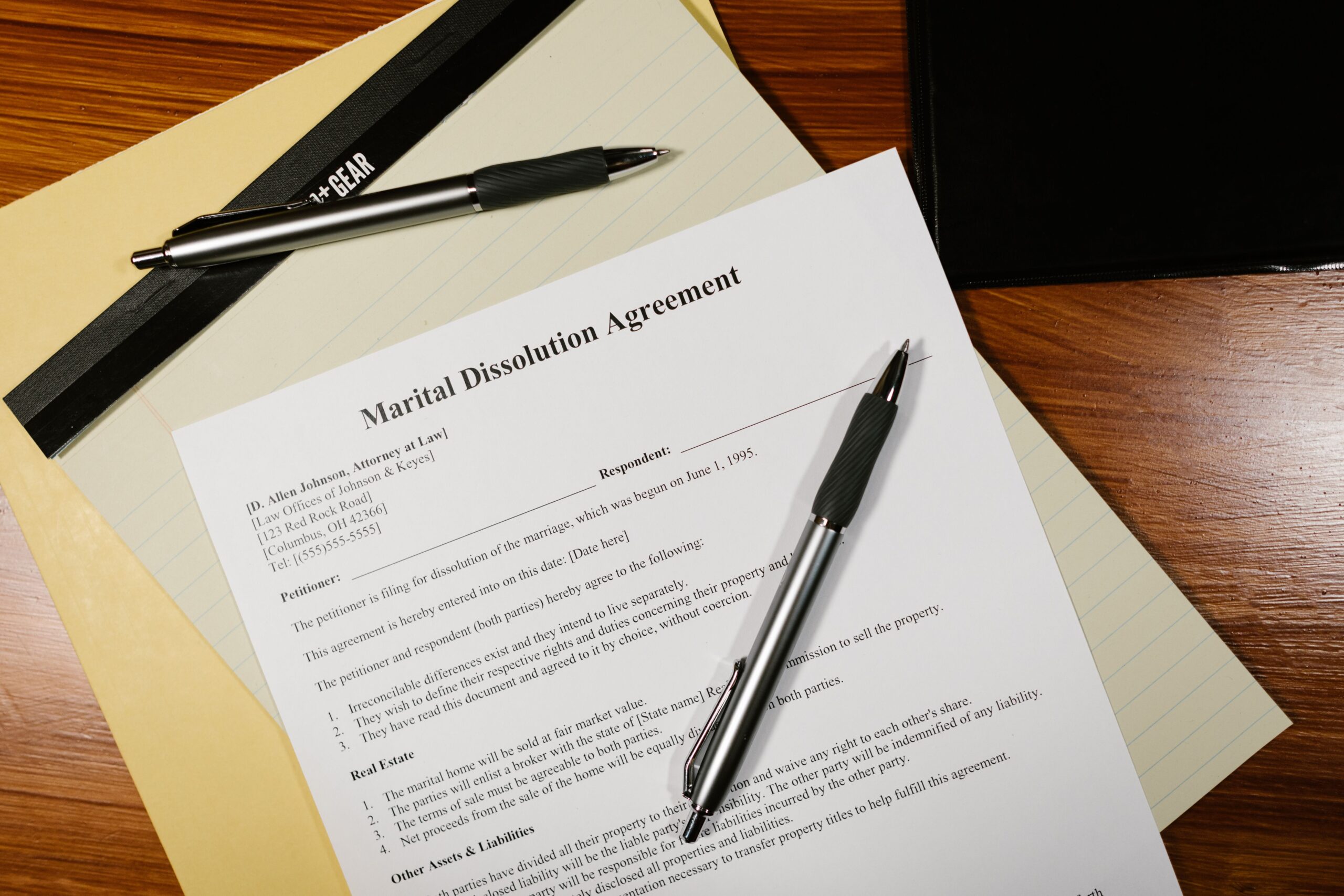
Align with your marital regime
Your marital property regime impacts what forms part of your estate and what passes automatically to a spouse. Your Will must be consistent with your legal structure.
How Nont Fiduciary
help with Wills

F.A.Q.
A practical way to group them is inter vivos trusts, testamentary trusts, special trusts, and then the functional split between discretionary and vesting trusts. In day-to-day planning, most trusts fall into an inter vivos or testamentary category, with discretionary or vesting features.
Beyond tax and cost, a trust can create family tension if beneficiaries feel excluded, or if trustees are not independent and transparent. Poor drafting or poor administration can cause disputes and even legal challenges.
Trustees hold legal control of the trust assets in their representative capacity. Beneficiaries do not own the assets outright unless and until rights are vested or distributions are made according to the deed.